Why Indian Food Uses So Many Different Textures - Crispy, Creamy, and Soft
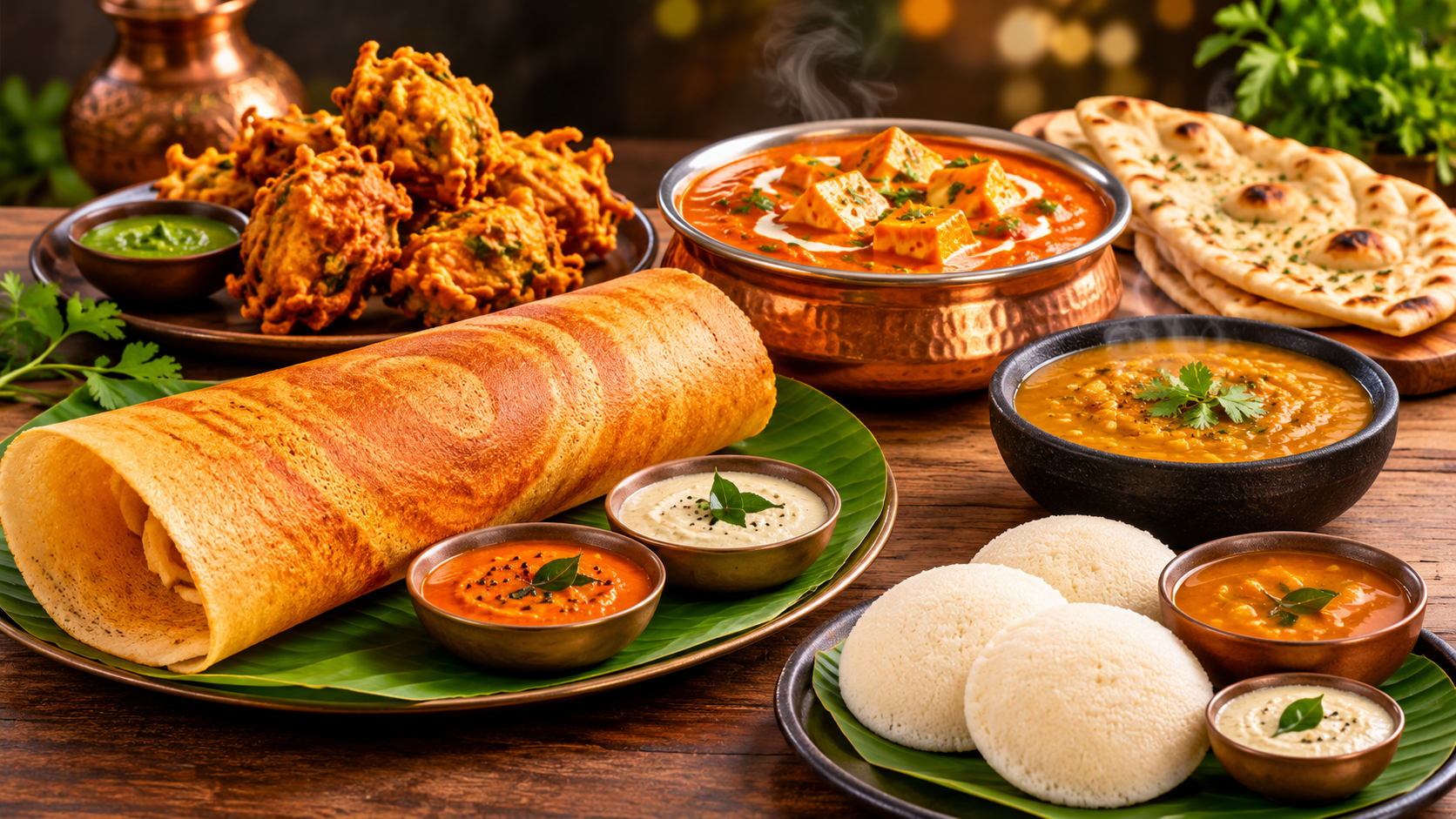
Indian food relies on a deliberate balance of crispy, creamy, and soft textures to create dynamic contrast and prevent flavor fatigue. Traditional cooking methods like frying, steaming, and slow cooking combine elements like crunchy dosas, satiny paneer gravies, and spongy idlis into every balanced meal.
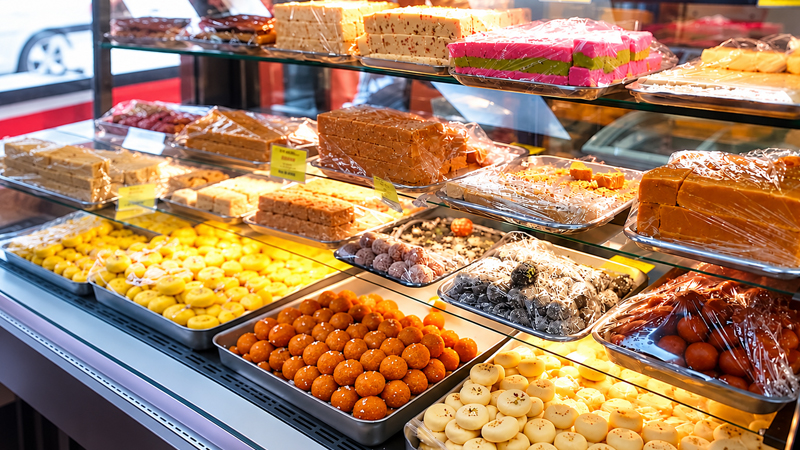
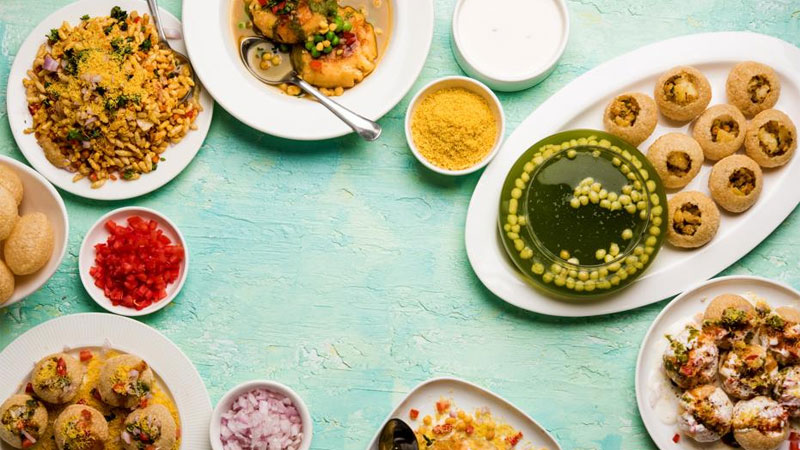
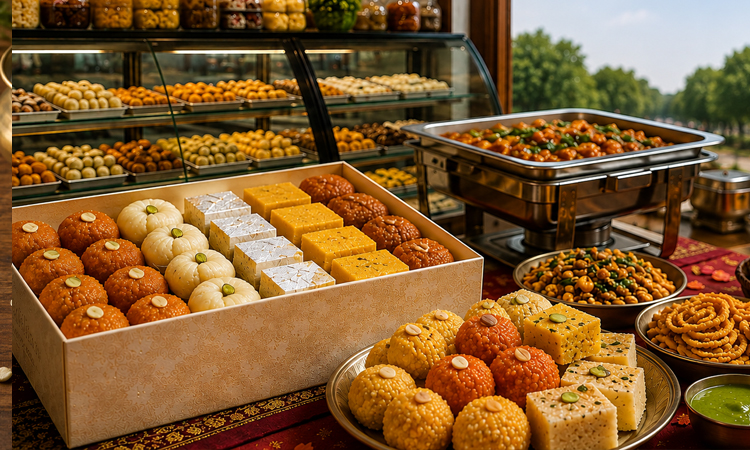
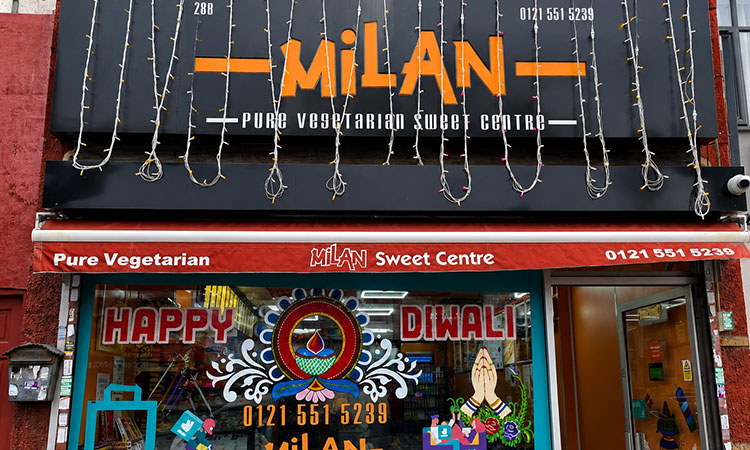
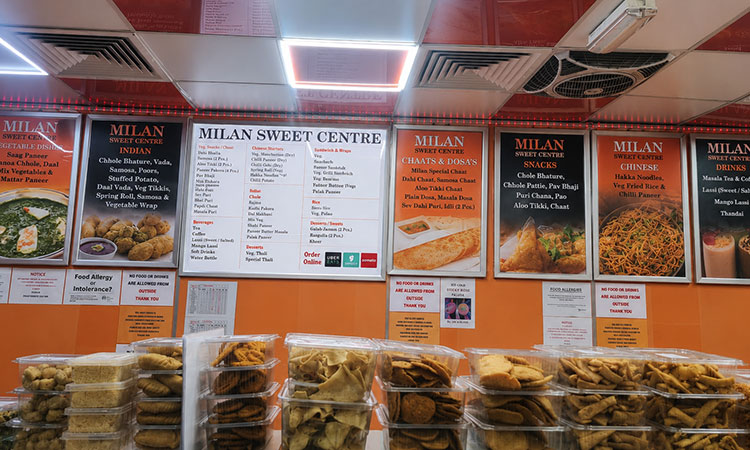
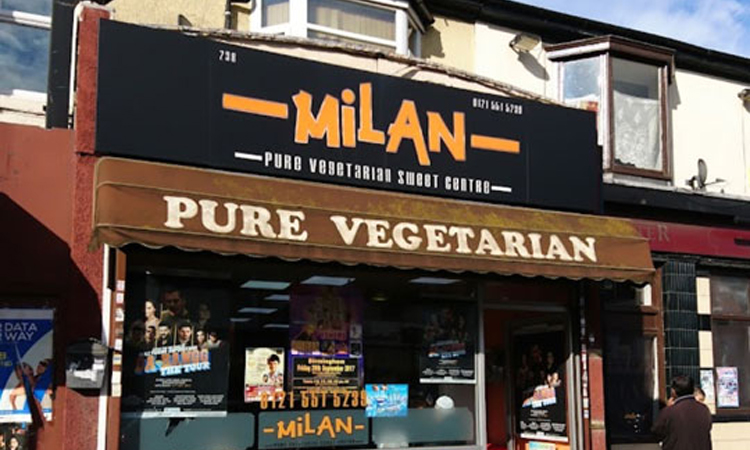
Indian food is all about flavor, spices, and colorful ingredients. But texture is also part of the pleasure of Indian cuisine. The crunch from a freshly made dosa or the creaminess of a good paneer curry, a good meal is about contrasting textures. A good Indian meal does not allow any one flavor or ingredient to dominate. It's often about the combination of different things. And those mouthfuls can take all sorts of forms, from crispy dosa cradling spicy potatoes through to soft naan to soak up a smooth curry or a simple crisp snack beside tangy chutney. Try a variety of Indian snacks and meals at Milan Sweet Center, Soho Road, Birmingham and see what's possible with texture when combined with traditional cooking. And if you know these combinations, you'll get a peek at the thinking behind some of India's most iconic meals.
Texture is a Key Element of Indian Food
Usually, the first thing to describe a dish is flavor. They might describe it as sour, tangy, sweet, or spicy. However, texture is equally important, in that it alters the experience of eating food. Can you imagine having a meal with all soft foods? It's all tasty, but it becomes repetitive. Having a crispy or crunchy texture in the meal makes it more interesting and gives a contrast. These are the natural contrasts that are inherent in Indian cooking in the ingredients and cooking methods. Varied textures also come from frying, roasting, steaming, grilling, and slow cooking. They are also ways to add multiple textures to a dish. For example, the interior potato filling in a dosa could be soft and fluffy, but the outside is crispy. Part of its appeal is this combination.
Crunchy Texture - The Crunchy Texture Appeal
Crispy Varieties Guarantyd to Please in Indian Cooking They round out delicate dishes and are often served as sides, snacks, or starters.
Dosa - The classic dosa is a prime example, dinner plate in texture. It is a thin, fermented batter of rice and lentils spread over a hot surface and cooked until golden and crispy. The texture will vary depending on such preparations. The plain dosa is light and crisp, while the masala dosa is soft and layered with potatoes as well as a crisp outer crust. The difference between the filling and the outside ensures every bite is a treat.
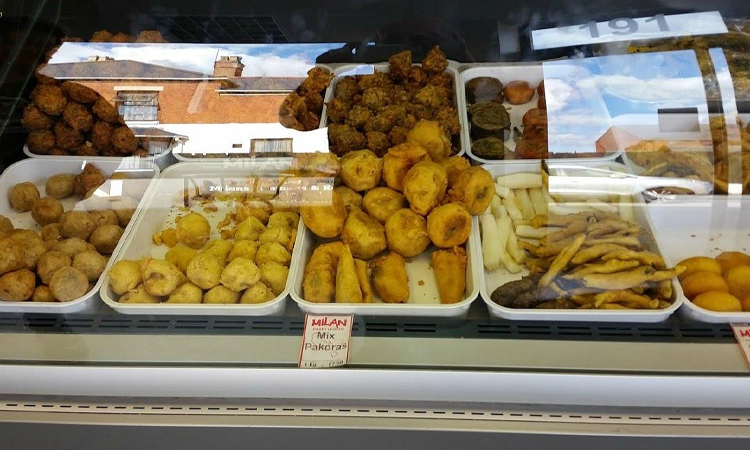
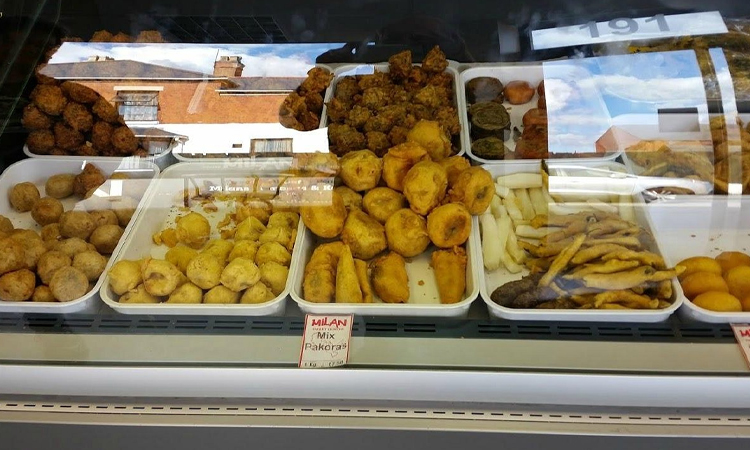
Pakora - Pakoras are another classic Indian that's crispy. The vegetables are dipped into a batter of spiced gram flour and fried into a golden crust. It has a crispy crust on the outside, but the vegetable inside is quite soft. Other vegetables, such as potatoes for texture and onions for flavor, are also worth trying. Pakoras are especially tasty with chutneys or a cup of hot Indian tea.
Creamy Textures - Richness in Every Bite
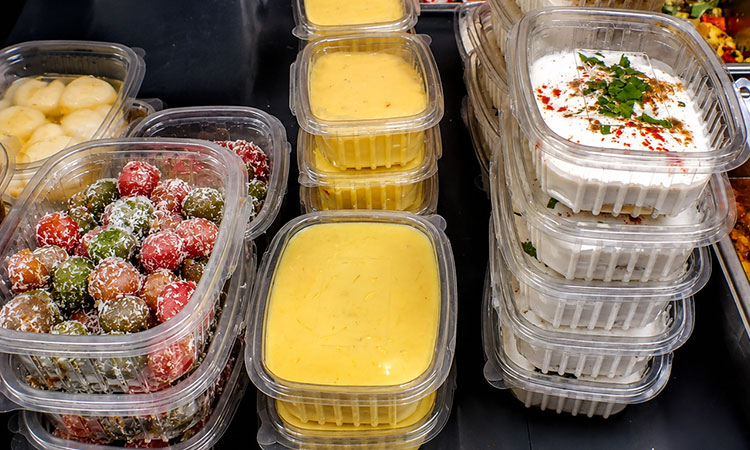
Creamy Indian Cuisine: An Indulgent Delight These dishes are a calm experience and are satiny helping the harmony of spices.
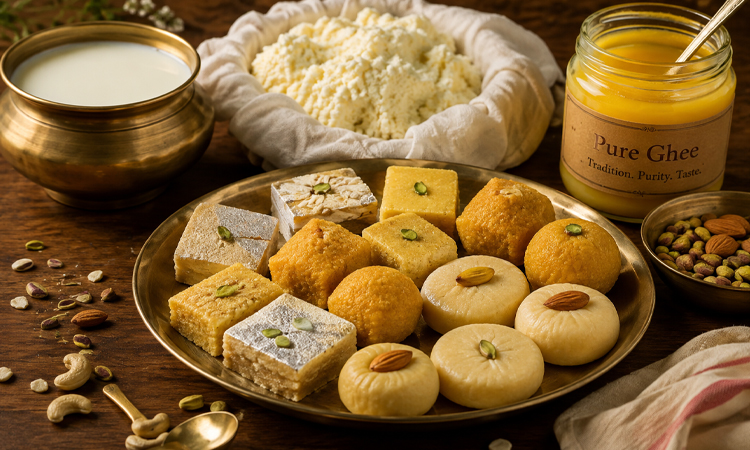
Paneer dishes - Paneer is featured in many Indian dishes. Its soft, slightly firm texture works well in rich gravies. Fresh cheese is cut into cubes and added to dishes such as curries with fresh tomatoes, onions, cream and spices. The paneer itself has texture and flavor, too, absorbing flavor from its surroundings. Enjoy this smooth, filling gravy with naan or Indian bread.
Cooking the Lentil - Many Indian lentil dishes also have a naturally creamy consistency. They are cooked to a soft consistency and flavored with herbs, spices, and other ingredients.
Soft Textures: The Comfort of Traditional Indian Food
Indian diets include a lot of soft foods in many meals. They're often associated with the comfort and warmth of home cooking and accepted flavors. Idli is a traditional South Indian breakfast food prepared by steaming a batter made of rice and lentils that is suitable to make idlis after it is fermented. Its texture is light and spongy, being 'steamed' instead of fried. It has a mild flavor and thus is very versatile. It is commonly served with coconut chutney and sambar for flavor and contrast. The softness of idli has also made it a popular breakfast food.
Semantic Keynotes & Named Entity Recognition (NER) Tags
Semantic Keynotes
- Role of Texture in Indian Cuisine: Indian meals balance contrasting textures—crispy, creamy, and soft—alongside flavours and spices so no single element dominates.
- Crunchy & Crispy Dishes: Preparations such as plain dosa, masala dosa, and vegetable pakoras combine crisp exteriors with soft, flavourful interiors.
- Creamy Curries & Lentils: Rich paneer dishes simmered in tomato, onion, and cream gravies, along with slow-cooked lentils, deliver a smooth consistency.
- Soft Traditional Comforts: Steamed fermented rice-and-lentil idlis offer a light, spongy texture commonly paired with coconut chutney and sambar.
NER Tags
- ORGANIZATION & BRANDS: Milan Sweet Center
- PERSON: Mr. Harish Patel
- PRODUCTS, SERVICES & SOLUTIONS: Dosa, Masala Dosa, Plain Dosa, Pakora, Paneer dishes, Idli, Coconut chutney, Sambar, Chutney, Indian tea, Indian snacks
- TECHNICAL SPECIFICATIONS & CODE ENTITIES: Frying, Roasting, Steaming, Grilling, Slow cooking, Fermented batter
- STRATEGIC & FUNCTIONAL CONCEPTS: Textural contrast, Flavor harmony, Comfort food preparation, Breakfast food preparation
- INFRASTRUCTURE & SECURITY ENTITIES: Hot surface
- CONTACT, CHANNELS & GEOGRAPHIC DATA: Soho Road, Birmingham, India
Recent Post